ბოლნისის სიონის ეპიტაფია იოანე ბოლნელისა და მოსახსენებელი შუშანიკისა
ეპიტაფია · Epitaph
კრიტიკული გამოცემა · Interpretive Edition
დიპლომატიური გამოცემა · Diplomatic Edition
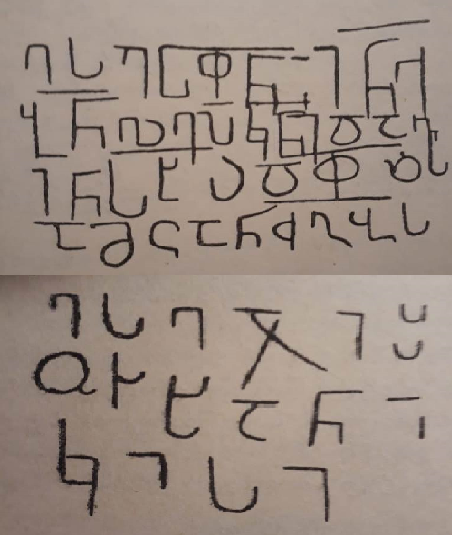
ნოდარ შოშიაშვილის ქართული წარწერების კორპუსის მიხედვით #64-65. ქარაგმის ნიშნად გამოყენებულია გრძელი, განივი, სწორი ხაზი. განკვეთილობის ნიშნები არ ახლავს. წარწერის დათარიღების პალეოგრაფიული საფუძველია: Ⴊ, Ⴌ გრაფემების მიდრეკილება განუსხურებისაკენ, გახსნილია Ⴁ და შეკრულია Ⴣ; წარწერა არ უნდა იყოს „ბოლნური ჯვრის“ თანადროული. II გვერდის წარწერაზე მეორე სტრიქონში ასოები Ⴣ და Ⴘ შეცდომით გვერდზე შეტრიალებულადაა ამოკვეთილი.
According to the Corpus of Georgian Inscriptions by Nodar Shoshiashvili the inscription #64-65. Abbreviation mark: long horizontal straight line. The inscription does not contain any mark of separation. The inscription is dated according to the paleographic data: the tendency of the graphemes Ⴊ and Ⴌ towards adopting a Nuskhuri style. Also: Ⴁ is open and Ⴣ is engaged. The inscription does not seem to be contemporary to the “Bolnisi Cross”. In the inscription on side 2 the letters Ⴣ and Ⴘ are averted by mistake and engraved.
<div xmlns="http://www.tei-c.org/ns/1.0" type="edition" xml:lang="ka" ana="mtavruli" xml:space="preserve">

                    <!--I გვერდი
                       „ესე სფნი ინე
                        ბნლ ეპკნი
                        და ვინ სხჲ დფლს
                        ამცა ნუ გბს"-->
                <div type="textpart" subtype="section" n="1">
                       <ab>
                           <lb n="1"/><w lemma="ესე">ესე</w> <w lemma="საფლავ"><expan><abbr>ს</abbr><ex>ა</ex><abbr>ფ</abbr><ex>ლავ</ex><abbr>ნი</abbr></expan></w>
                                            <persName type="local" key="იოანე ბოლნელი ეპისკოპოსი"><name nymRef="იოვანე"><expan><abbr>ი</abbr><ex>ოვა</ex><abbr>ნე</abbr></expan></name>
                           <lb n="2"/><roleName><w lemma="ბოლნელ"><expan><abbr>ბ</abbr><ex>ოლ</ex><abbr>ნ</abbr><ex>ე</ex><abbr>ლ</abbr></expan></w>
                                <w lemma="ეპისკოპოს"><expan><abbr>ეპ</abbr><ex>ის</ex><abbr>კ</abbr><ex>ოპოსის</ex><abbr>ნი</abbr></expan></w></roleName></persName>
                           <lb n="3"/> და
                                     <w lemma="ვინ">ვინ</w> <w lemma="სხუა"><expan><abbr>სხ</abbr><ex>უა</ex><abbr>ჲ</abbr></expan></w>
                                     <w lemma="დაფლვა"><expan><abbr>დ</abbr><ex>აე</ex><abbr>ფლ</abbr><ex>ა</ex><abbr>ს</abbr></expan></w>
                           <lb n="4"/><w lemma="ესე"><expan><abbr>ამ</abbr><ex>ას</ex><abbr>ცა</abbr></expan></w> <w lemma="ნუ">ნუ</w>
                                        <w lemma="გება"><expan><ex>ე</ex><abbr>გ</abbr><ex>ე</ex><abbr>ბ</abbr><ex>ი</ex><abbr>ს</abbr></expan></w>
                       </ab>
                </div>

                                     <!-- II გვერდი
                                           „ესე ჯი შ
                                            უშანი
                                            კისი"-->

                     <div type="textpart" subtype="section" n="2">
                       <ab>
                           <lb n="1"/><w lemma="ესე">ესე</w> <w lemma="ჯუარ"><expan><abbr>ჯ</abbr><ex>უარ</ex><abbr>ი</abbr></expan></w>
                                    <persName type="local" key="შუშანიკ"><name nymRef="შუშანიკ">შ
                           <lb n="2" break="no"/>უშანი
                           <lb n="3" break="no"/>კისი</name></persName>
                          </ab>
                </div>

		</div>